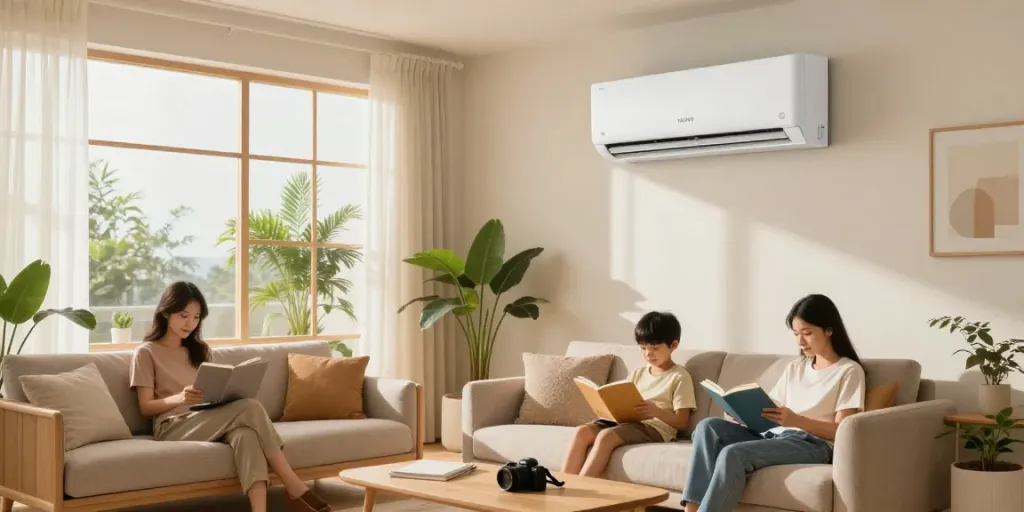
Understanding the Basics of 18000 BTU Mini Splits
An 18000 BTU mini split system serves as an essential solution for effective climate control in medium to large spaces. With the ability to provide both heating and cooling, these units have become increasingly popular in homes and businesses seeking flexible and efficient temperature management. By understanding the fundamentals of these systems, homeowners can make informed decisions about installation, usage, and maintenance.
When exploring options, 18000 btu mini split systems can be appealing due to their ability to cool or heat spaces up to 1250 square feet efficiently. This makes them suitable for various environments, including living rooms, large bedrooms, and even insulated garages.
What is an 18000 BTU Mini Split?
An 18000 BTU mini split is a type of ductless air conditioning and heating system that consists of two main components: an outdoor unit and an indoor air handling unit. The term BTU, or British Thermal Units, measures the cooling or heating capacity of the system. In this case, 18000 BTU indicates that the unit can effectively cool or heat an area of approximately 1000 square feet, depending on insulation and external temperature factors.
How Does a Mini Split Work?
Mini splits operate using refrigerant to transfer heat. The outdoor unit absorbs heat from the outside air and then compresses it, sending the refrigerant to the indoor unit. Inside, the refrigerant releases the heat, cooling the air before distributing it throughout the room. In heating mode, the process is reversed, allowing the mini split to extract heat from the outside air and transfer it indoors.
Key Benefits of Using 18000 BTU Mini Splits
- Energy Efficiency: Mini splits generally offer higher SEER (Seasonal Energy Efficiency Ratio) ratings than traditional HVAC systems, resulting in lower energy bills.
- Zone Control: Homeowners can control the temperature in each room independently, enhancing comfort and energy savings.
- Easy Installation: Without the need for extensive ductwork, mini splits can be installed in various locations with minimal disruption.
- Quiet Operation: Mini splits operate quietly compared to traditional air conditioning systems, making them ideal for bedrooms and living areas.
Choosing the Right Mini Split for Your Home
Determining the Right Size for Your Space
Choosing the appropriate size for your mini split is critical for ensuring optimal performance. An undersized unit may struggle to maintain the desired temperature, while an oversized system can lead to short cycling, causing inefficiency and wear. Generally, an 18000 BTU mini split is ideal for spaces ranging from 700 to 1250 square feet, depending on factors like insulation, room layout, and local climate.
Comparing Brands: Which Offers the Best Value?
When selecting a mini split, it’s essential to evaluate different brands and models. Leading brands like Mitsubishi, LG, and Daikin offer reliable products with high energy efficiency ratings. Reading customer reviews and checking for warranties can help you determine which brand provides the best value in terms of performance and longevity.
Installation Considerations for Optimal Performance
Proper installation is vital for the effective operation of your mini split system. It is advisable to hire a professional technician with experience in mini split installations to ensure the correct placement of the indoor and outdoor units. Additionally, having the right size refrigerant lines and electrical connections will enhance the system's overall performance.
Energy Efficiency and Performance Metrics
Understanding SEER Ratings in Mini Splits
The Seasonal Energy Efficiency Ratio (SEER) measures the cooling output of an air conditioning system divided by its energy consumption over a typical cooling season. Higher SEER ratings indicate greater energy efficiency. For 18000 BTU mini splits, aim for a SEER rating of at least 15 to ensure sustainable and cost-effective operation.
How to Maximize Energy Savings with an 18000 BTU Mini Split
To maximize energy savings with your mini split system, consider the following:
- Utilize Smart Controls: Many mini splits offer Wi-Fi connectivity, allowing you to control the system remotely and set schedules.
- Regular Maintenance: Ensure routine maintenance checks are performed to keep the unit running efficiently, including cleaning filters and checking refrigerant levels.
- Seal Duct Leaks: If your home has ductwork, ensure it is well-sealed to prevent energy loss.
Evaluating Long-term Performance and Reliability
Assessing the long-term performance of your mini split involves monitoring its efficiency over the years. Most high-quality mini splits can last 15-20 years with proper maintenance. Regularly checking for unusual noises, fluctuating temperatures, or increased energy bills can help identify potential issues early on.
Common Problems and Maintenance Tips
Identifying Common Issues with Mini Splits
Despite their advantages, mini splits can encounter issues that require attention. Common problems include:
- Inadequate Cooling or Heating: This can be due to incorrect sizing, low refrigerant levels, or dirty filters.
- Strange Noises: Unusual sounds can indicate mechanical issues or loose components.
- Increased Energy Bills: If energy costs rise, it may signify inefficiencies or necessary repairs.
Regular Maintenance Practices for Longevity
To extend the lifespan of your mini split, engage in regular maintenance tasks such as:
- Cleaning or replacing air filters every 1-3 months.
- Inspecting and cleaning the condenser coils annually.
- Scheduling professional maintenance checks every year.
When to Call a Professional for Repairs
If regular troubleshooting doesn’t resolve issues, it’s critical to consult a professional. Signs that it’s time to call a technician include persistent leaks, unusual odors, or if the system fails to operate entirely.
Future Trends in Mini Split Technology
Emerging Innovations to Watch in 2026
As the HVAC industry evolves, innovations such as improved refrigerants and advanced smart technology applications are likely to shape the future of mini splits. Expect to see enhancements in energy efficiency and connectivity, allowing homeowners to better integrate these systems into their smart homes.
The Impact of Smart Technology on Mini Splits
Smart technology is rapidly transforming how we interact with HVAC systems. Many modern mini splits offer features like voice commands, energy usage monitoring, and remote maintenance diagnostics, making climate control more convenient and efficient.
Anticipating Changes in Energy Regulations
With rising energy costs and environmental concerns, regulatory standards for energy efficiency are becoming more stringent. This means that future mini splits are likely to come equipped with even higher SEER ratings and eco-friendly refrigerants to meet compliance requirements.
What Are the Key Benefits of Mini Splits for Homeowners?
For homeowners, mini splits provide numerous benefits, including:
- Flexible installation options without the need for extensive ductwork.
- Control over individual zones, enhancing comfort while saving on energy costs.
- Improved air quality through advanced filtration technologies.
How Do I Install an 18000 BTU Mini Split Myself?
While DIY installation of mini splits is possible, it requires technical knowledge of refrigerant handling and electrical work. It is highly recommended to consult professional services for installation to ensure safety and compliance with local regulations.
What Is the Average Cost of an 18000 BTU Mini Split?
The average cost for an 18000 BTU mini split system ranges from $1,500 to $3,000, including installation. Factors influencing the price include brand, model, and specific features like inverter technology and Wi-Fi accessibility.
Are There Any Grants or Incentives for Energy-efficient Heating?
Homeowners may qualify for federal and state incentives when installing energy-efficient heating and cooling systems. Research local programs and tax credits to determine available financial assistance.
Can an 18000 BTU Mini Split Heat as Well as Cool?
Yes, an 18000 BTU mini split can provide both heating and cooling. Many models are designed to function effectively in both capacities, making them versatile for year-round climate control.
How Long Is the Typical Lifespan of an 18000 BTU Mini Split?
With proper maintenance, an 18000 BTU mini split can last between 15 to 20 years. Regular servicing and prompt repairs are key to maximizing its lifespan.